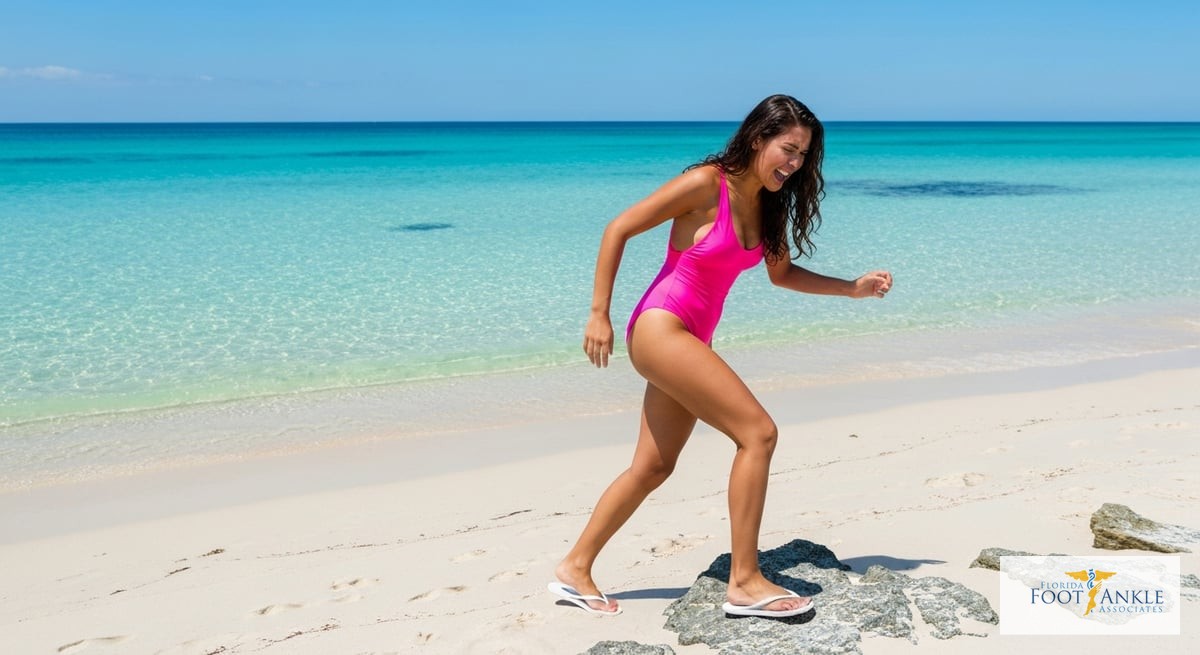
Summer Footwear: The Risks of Flip-Flops and Sandals
As the summer sun blazes down in Florida, many of us reach for flip-flops and sandals for comfort and convenience, hoping to keep our feet cool. However, these popular footwear choices can lead to significant foot pain and discomfort. In this article, we will explore the risks associated with wearing flip-flops and sandals, helping you understand how to choose safer options that cater to the needs of your feet.
While flip-flops are airy and easy to slip on, they often lack the necessary support for your arches and heels. Over time, such footwear can contribute to various foot problems, including plantar fasciitis, heel pain, and metatarsalgia. For instance, plantar fasciitis can cause stabbing pain in the bottom of your foot, particularly during the first steps in the morning or after sitting for long periods. Strong options must prioritize cushioning and stability, particularly during the hot Florida months, as they help mitigate the risks associated with prolonged wear of unsupportive footwear.
What Is Safe Summer Footwear?
Safe summer footwear refers to shoes that provide ample support, cushioning, and stability designed to protect your feet during hot weather. Unlike flip-flops and sandals that offer minimal support, the best options for summer include well-structured sandals with arch support and cushioned soles. For example, sandals that feature a contoured footbed can help cradle your feet, ensuring comfort even during extended wear. These shoes help distribute your weight evenly and absorb shock, reducing the risk of injury and pain.
In Florida, where the heat can be unbearable, it’s important to choose footwear that not only keeps you cool but also provides adequate protection against potential foot injuries. Shoes with closed toes can shield against stubbing, while sandals with adjustable straps can secure your feet better than the loose fit of standard flip-flops. Additionally, many safe summer footwear options are designed with breathability and moisture-wicking materials, adding another layer of comfort by keeping your feet dry and free from irritation during those hot days.
Common Risks Associated with Flip-Flops and Sandals
- Poor Arch Support: Flip-flops do not have any arch support, which can lead to flat feet and exacerbate issues like plantar fasciitis. Lack of arch support means that your foot has to work harder to maintain balance and cushion impacts, potentially leading to long-term complications.
- Improper Fit: Loose footwear can cause blisters and even falls, risking serious injuries. For example, this can happen when walking on uneven surfaces, as flip-flops may come off easily, leading to instability.
- Lack of Cushioning: Hard soles can make walking uncomfortable and cause pain in the heels and balls of the feet. Prolonged pressure on these areas can create calluses and even stress fractures in severe cases.
- Exposure to the Elements: Open-toed shoes increase the risk of insect bites, cuts, and sunburn on the feet. Additionally, the exposure to hot surfaces can lead to burns on sensitive parts of your feet, which is particularly concerning in high-temperature environments.
- Allergenic Materials: Many flip-flops are made of synthetic materials that may cause allergic reactions or irritation, especially for those with sensitive skin. Choosing footwear made from natural materials or breathable fabrics can help mitigate skin issues.
When to See a Podiatrist
If you experience persistent pain in your feet, especially after wearing flip-flops or inadequate sandals, it's time to consult a podiatrist. Here are several indicators that may suggest you need professional help:
- Chronic Pain: If foot pain lasts more than a week and affects your daily activities, such as walking or standing, this is a warning sign. Ignoring persistent pain can lead to more severe issues down the line.
- Swelling: Noticeable swelling that doesn’t reduce with rest might signal an underlying issue, such as tendonitis or even arthritis. Early intervention can prevent further complications.
- Changes in Foot Shape: If your feet appear different in shape or alignment over time, it may indicate a structural change or injury that requires professional evaluation.
- Difficulties Walking: Experiencing trouble walking, balancing, or any change in your gait can hint at deeper issues that need to be addressed to maintain mobility.
- Infections: Redness, warmth, or drainage from sores or wounds on your feet require immediate attention, as these can lead to more serious infections if left untreated.
How Florida Foot & Ankle Associates Treats Foot Pain
At Florida Foot & Ankle Associates, we recognize the unique challenges posed by flip-flops and sandals, especially during the sweltering summer months. Our compassionate team of more than 26 board-certified podiatric physicians is committed to offering personalized care tailored to help you find relief:
- Routine Foot Care: Regular check-ups to monitor foot health and prevent complications. These proactive measures ensure minor issues are caught early.
- Injury & Trauma Treatments: Quick assessments for any injuries caused by inadequate footwear, helping to minimize downtime and get you back to your activities.
- Heel Pain Management: Our specialists offer various treatments for heel pain linked to poor footwear choices, including physical therapy, custom orthotics, and possibly injections for inflammation.
- Children's Feet Care: We help protect and monitor children's foot development during active play, recommending appropriate footwear that grows with them.
- Diabetic Foot Care: Effective management of diabetic foot complications, ensuring prompt treatment to prevent severe outcomes, including regular foot exams and guidance on proper footwear.
Tips for Choosing Safe Summer Footwear
To avoid the pitfalls of flip-flops and sandals, consider the following tips for selecting safer summer footwear:
- Check the Fit: Ensure sandals fit snugly, with adequate space for your toes without being too tight. Fit is crucial not only for comfort but also to prevent unnecessary foot problems.
- Look for Arch Support: Shoes with built-in arch support can prevent fatigue and reduce pain, especially if you plan to be on your feet for long periods.
- Choose Cushioning: Opt for sandals with cushioned soles to absorb shock and increase comfort during prolonged wear. Adding extra padding can dramatically improve your walking experience, particularly on hard surfaces.
- Consider Materials: Select breathable materials that prevent sweating and irritation—natural fabrics like leather or high-quality synthetics designed for breathability are excellent choices.
- Watch for Traction: Make sure your sandals or shoes have a good grip to reduce the risk of slipping on wet surfaces. A well-designed outsole can make a significant difference in safety.
Conclusion and Call to Action
This summer, prioritizing your foot health is crucial. A wide variety of footwear options are available that can keep your feet safe while offering comfort and style. By following the tips provided, you can make informed choices about your summer footwear to enjoy outdoor activities without compromising your foot health.
If you're experiencing any foot discomfort, consider booking an appointment with our experienced team at Florida Foot & Ankle Associates. Our multi-disciplinary approach will guide you toward the path of comfort and mobility, allowing you to fully enjoy the vibrant summer season.
Frequently Asked Questions About Safe Summer Footwear
What type of shoes should I wear in the Florida summer?
Choosing shoes with good arch support and cushioning is essential in Florida's heat. Opt for sandals that secure your foot and offer protection, as well as materials that can withstand the climate.
Are flip-flops safe to wear for long periods?
Flip-flops are not recommended for extended wear as they offer little support, potentially leading to foot pain and injuries. If you must wear them, try to limit the duration and activity level.
When should I consult a podiatrist about my footwear?
If you experience persistent foot pain after wearing certain shoes, or if you notice any abnormalities, it's wise to consult a podiatrist to rule out serious issues.
What are the signs of foot problems from poor footwear?
Common signs include chronic pain, swelling, changes in foot shape, difficulty walking, or signs of infection. Any of these symptoms should prompt a visit to your healthcare provider.
How can Florida Foot & Ankle Associates help with foot pain?
We offer various treatments for foot pain, from routine care to specialized services for injuries, heel pain, and diabetic foot issues, ensuring a comprehensive approach to your foot health.
This article was created with the help of AI. Images may also be AI-generated.


